Which render engine
for boutique / environment?
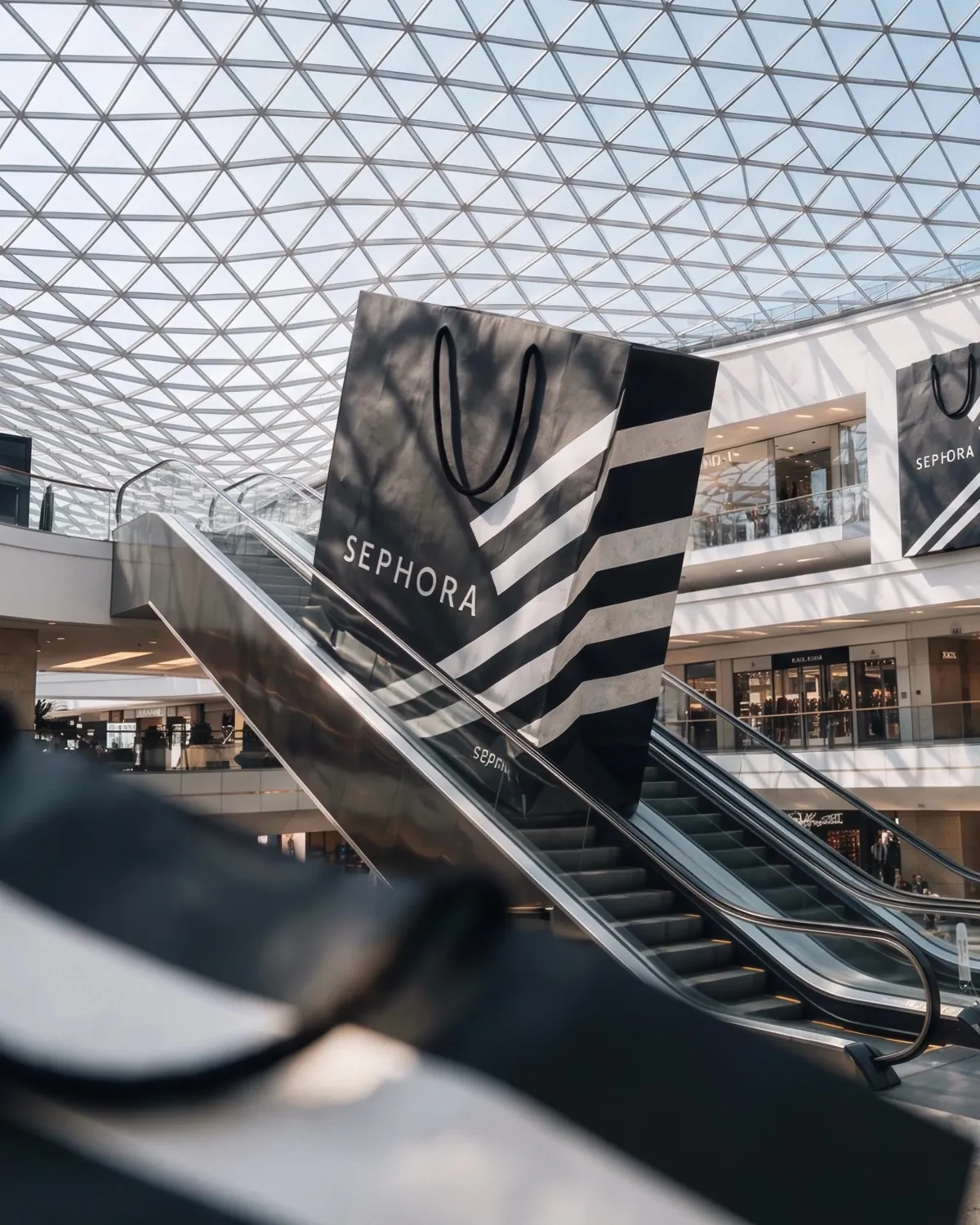
For a boutique / environment scene, the recommended engine is Redshift, with V-Ray as the alternative. Stable GI in animation, GPU volumetrics (dust, light shafts) and heavy scene handling: the ideal combo for tracking shots through retail spaces or dreamlike sets.
Pick the material, set your production constraints: each engine gets a score, with the verdict, a credible alternative and the key settings for a luxury 3D film.
01 — The scene Octane
 V-Ray
V-Ray V-Ray
V-Ray Arnold
 Octane
 Redshift
 Arnold
 Octane
 Arnold
 Redshift
 Redshift
 Redshift
Why this engine
Stable GI in animation, GPU volumetrics (dust, light shafts) and heavy scene handling: the ideal combo for tracking shots through retail spaces or dreamlike sets.
Key settings · Redshift
- →Brute force + irradiance point cloud for animated GI
- →Subtle volume scattering to give light a body
- →Instances for repeated set elements
Why not the others
- V-Ray — Precise and versatile, but slower iterations than Redshift and less character on organic materials.
- Octane — GPU only: superb spectral rendering, but slower to converge on heavy animated scenes.
- Arnold — The reference for organic materials, but slower on complex refraction and tight deadlines.
These recommendations come from fifteen years of 3D films for luxury houses — fragrance, jewellery, watchmaking, beauty. The score always starts from the material (what the physics of the scene demands), then adjusts to production: still or animated shot, deadline, output resolution and available hardware. Speeds are relative and qualitative: they depend too much on the scene to be quoted honestly as numbers.
- Karma XPU — Houdini’s engine, hybrid CPU + GPU, declared production-ready since Houdini 20. Relevant when simulation (fluids, volumes) and rendering live in the same Houdini pipeline.
- Cycles — Blender’s path tracer, CPU and GPU. A solid option for studios producing in Blender.
- Unreal Engine — Path Tracer — Unreal’s path tracer, considered production-ready since Unreal Engine 5.5. Interesting for sets and environments, to be validated case by case on luxury’s most demanding materials.