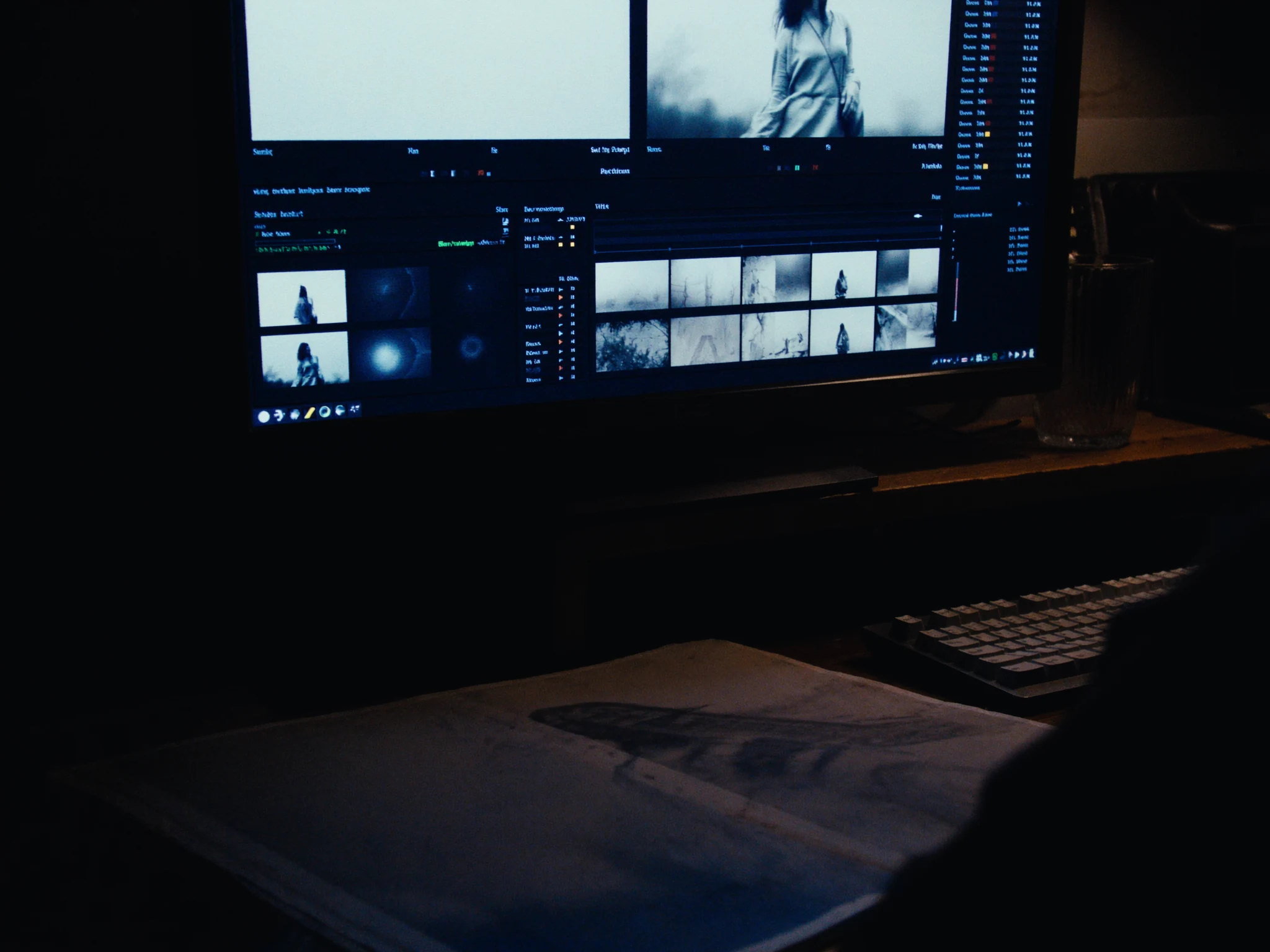
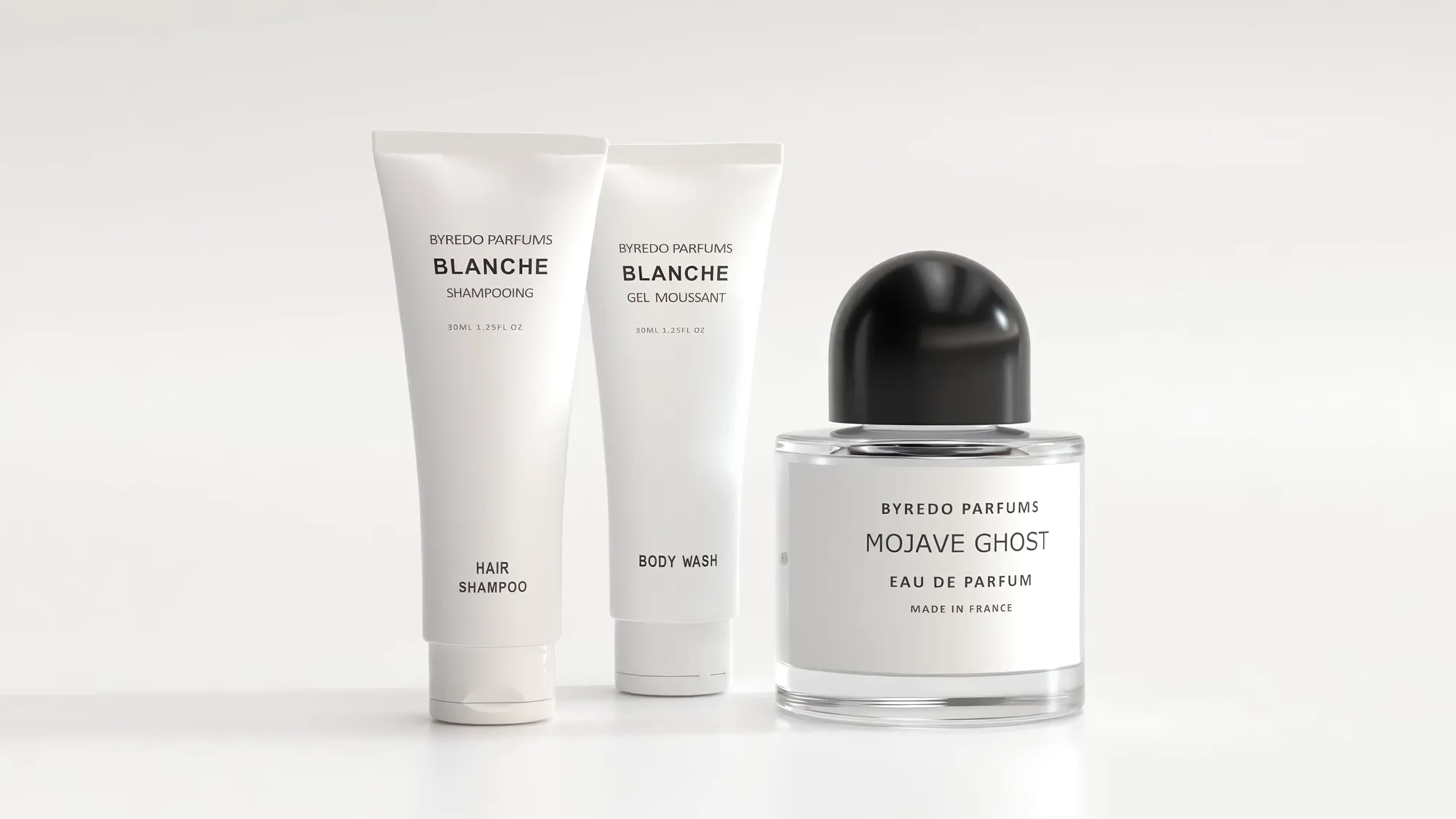
A moodtape is not a playlist of images. It is an argument — a demonstration of what the project could be.
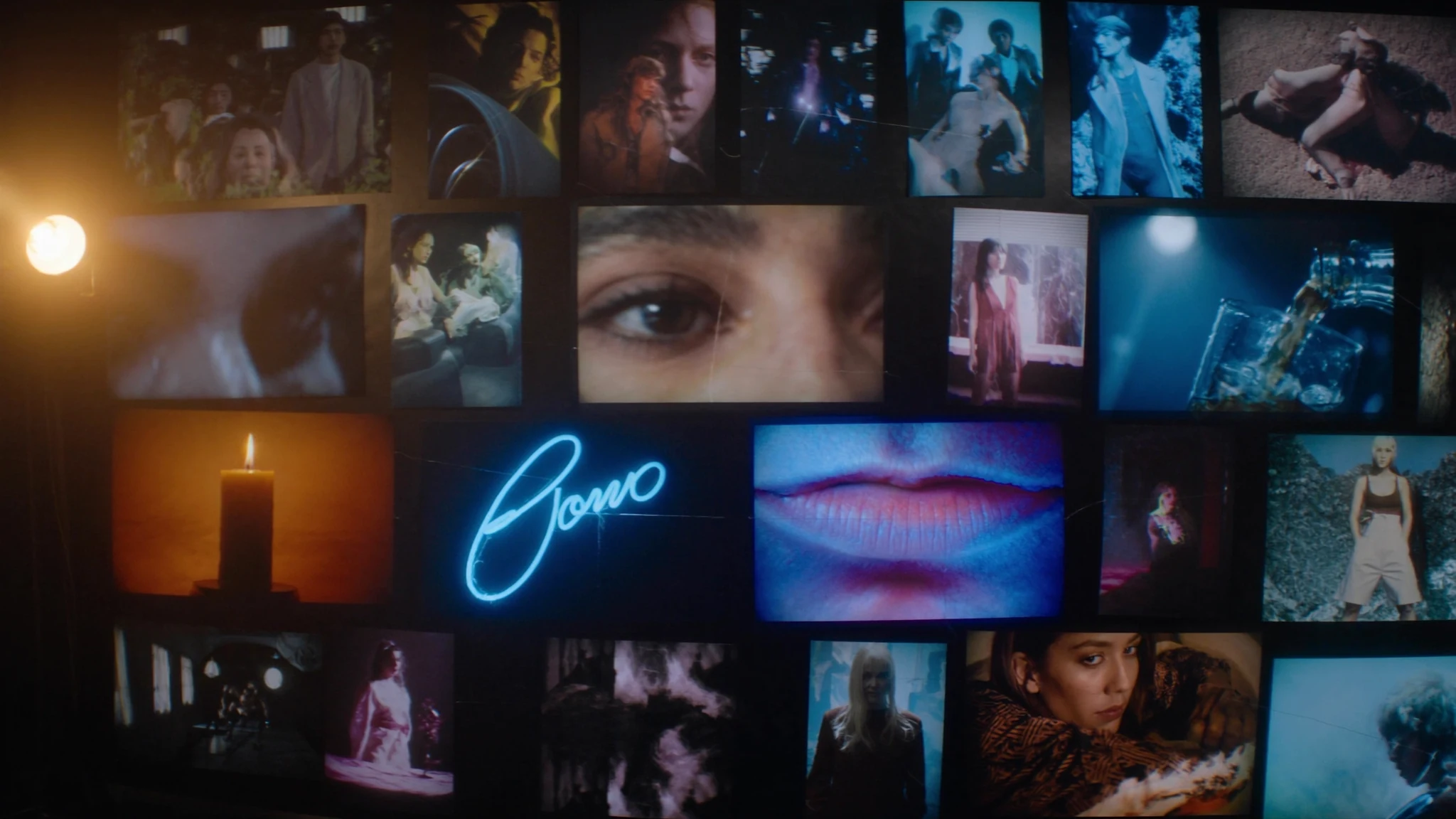
A moodtape is not a playlist of images.
It is an argument. A demonstration of what the project could be — assembled with enough precision for a creative director to believe in it, and enough freedom for the production team to project themselves into it.
Moodtape creation is an art of selection and editing. Not a collation of Pinterest references, but a narrative construction where every shot, every cut and every musical tempo says something precise about the feeling the final project must create. New to the format? Read what a moodtape is.
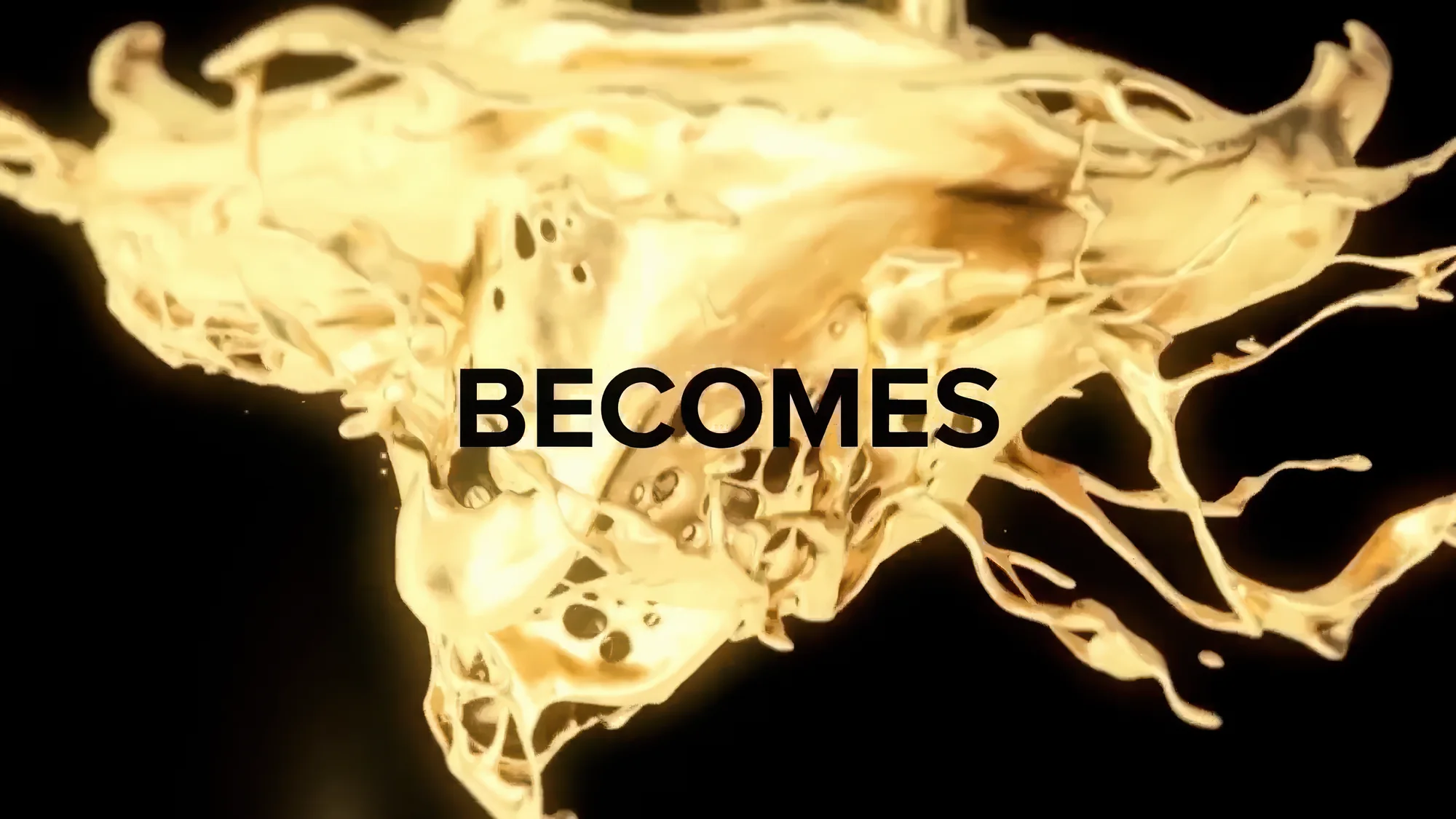
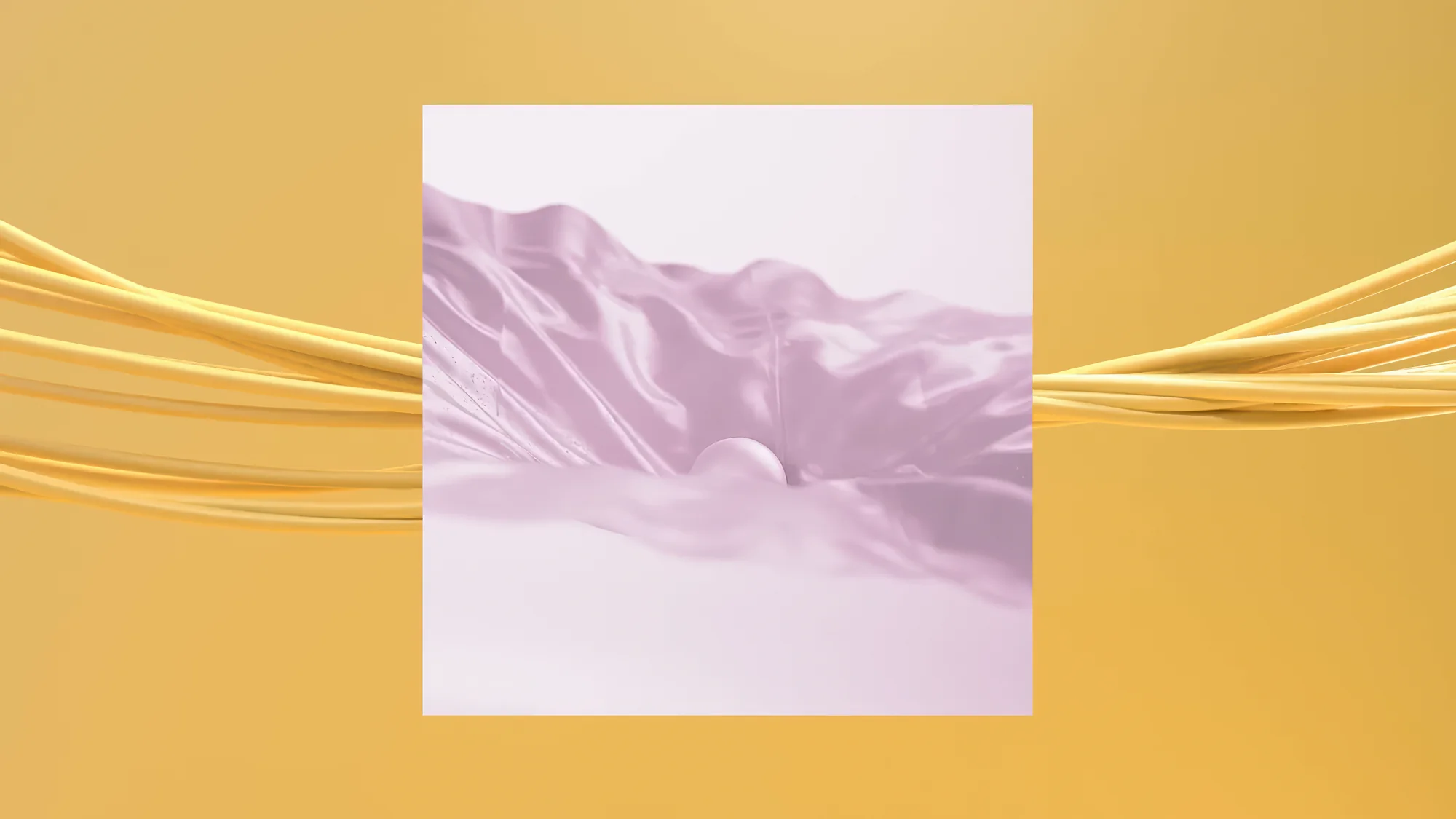
Why it changes everything
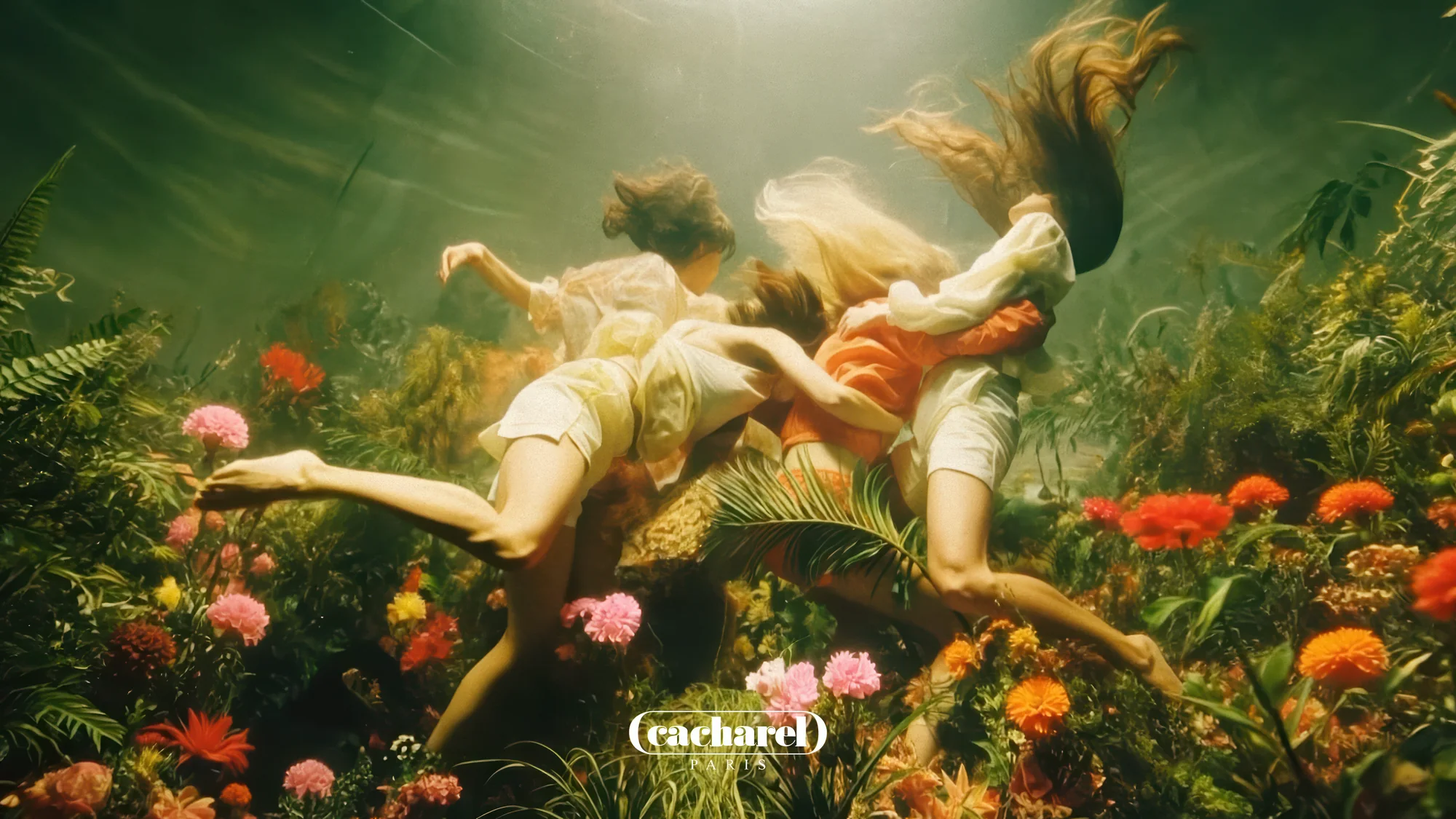
A well-built moodtape reduces brief back-and-forth. It aligns teams around a shared emotion rather than a verbal concept, which always remains open to interpretation. When everyone has watched the same moodtape and felt the same thing, production can start with confidence.
I create moodtapes for three contexts: the pitch phase (convincing a client), the development phase (aligning production) and the casting phase (guiding performance choices).
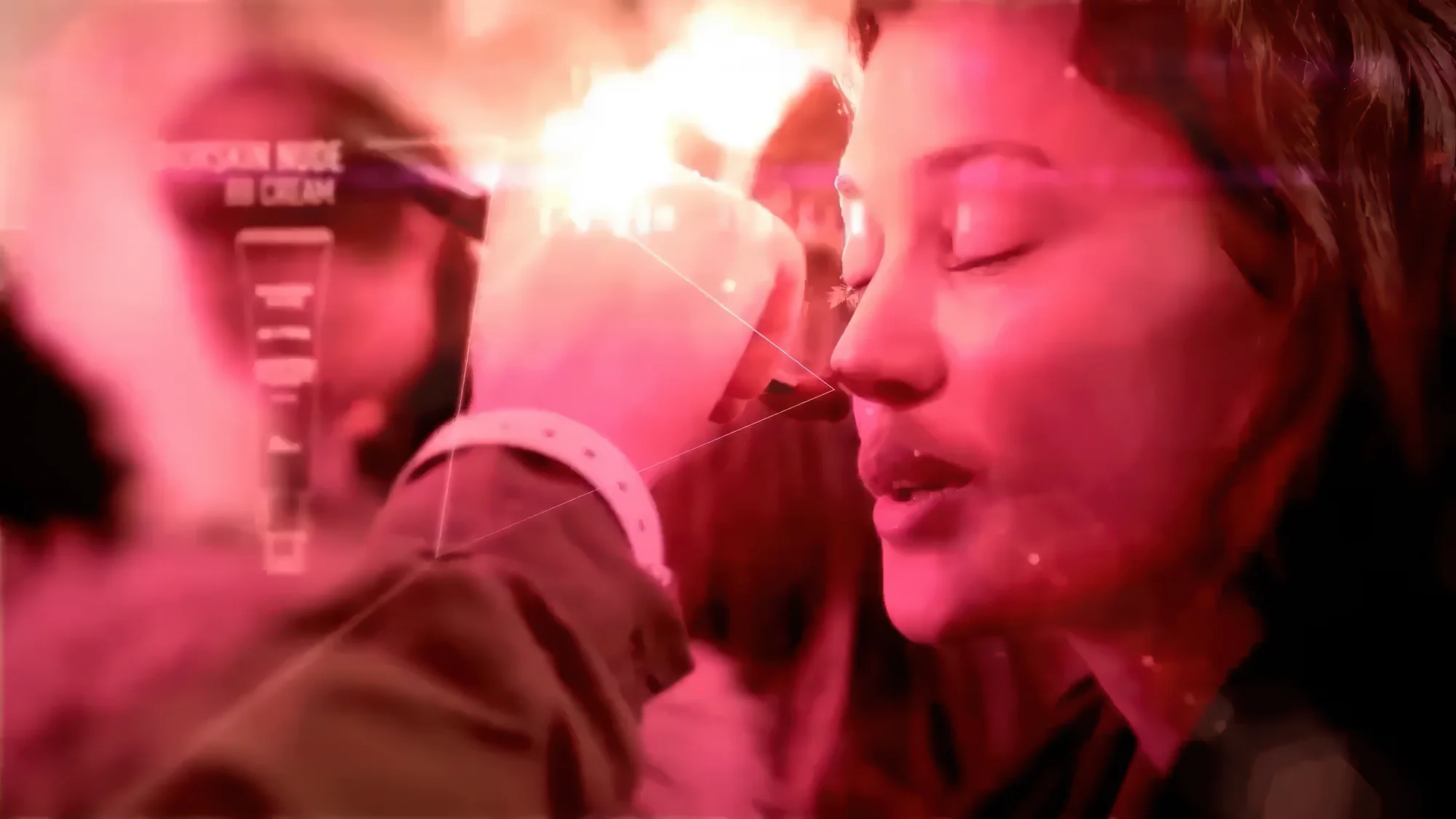
My technical approach
The moodtapes I deliver are edited, not simply assembled. Each sequence is chosen for its own rhythm, then re-orchestrated within an overall tempo. Music is selected or composed to measure. Target length: 90 to 180 seconds, no more — beyond that, tension is lost.
I work with excerpts from reference films, original footage when possible, and more and more AI-generated sequences when the aesthetic or the level of control justifies it.