CGI and Fragrance: How to Give an Image to What Cannot Be Filmed
Fragrance is the only luxury product whose real benefit is fundamentally impossible to show. You cannot photograph a scent. You cannot film an olfactory memory. So the houses invented another language, and CGI has become its main grammar.
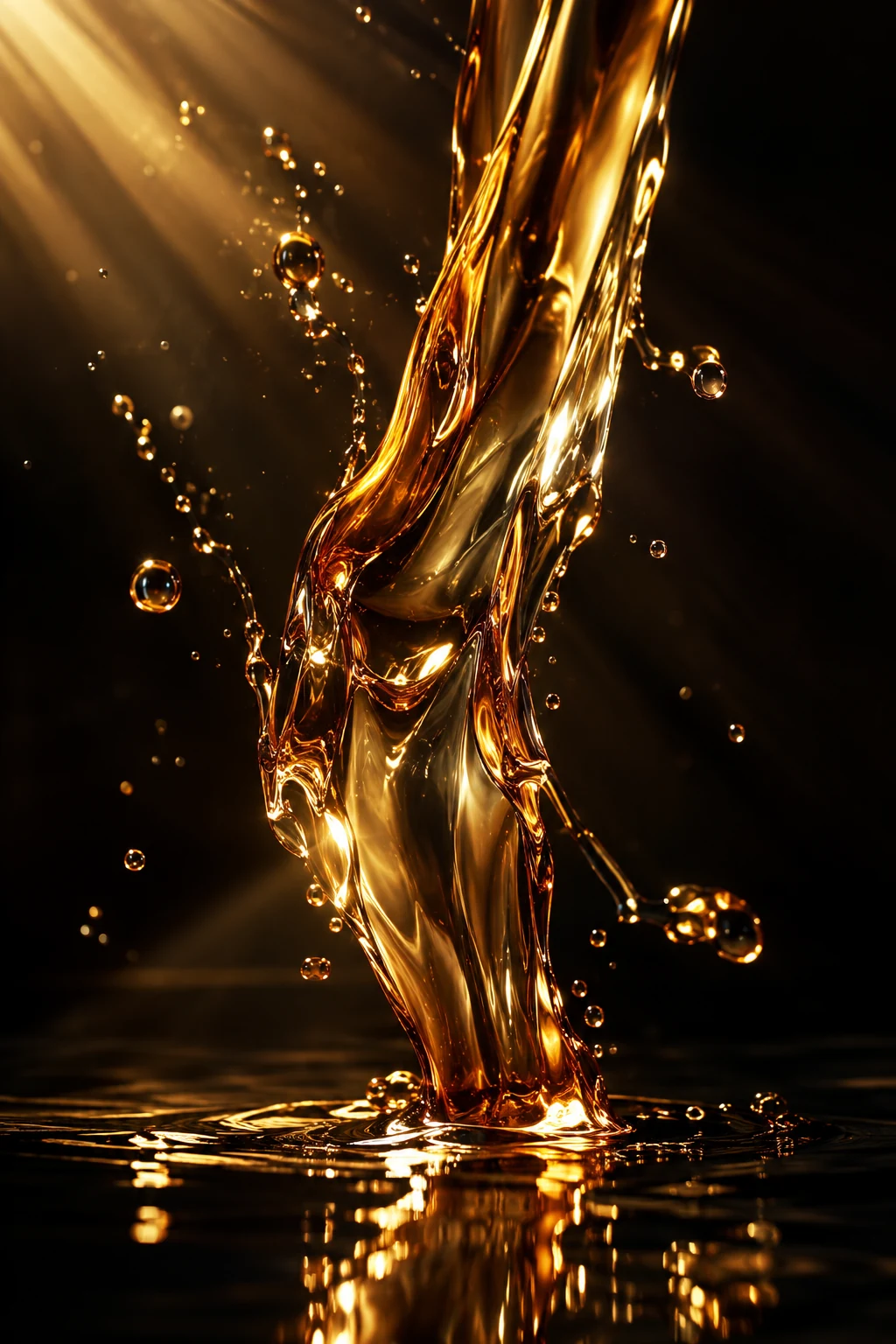
The fundamental problem of visual perfumery
There is something absurd about classic fragrance advertising. A tanned actor on a cliff. A woman running through a field. A bottle on marble. These images say nothing about the fragrance: they say something about the fantasy it is supposed to trigger. That semiotic shift was acceptable in the era of the magazine double page. It is much less so when your client scrolls their Instagram feed between two stories from influencers who, for their part, smell of something concrete.
The houses have understood this. Over the past five years, the fragrance brief has changed radically. It is no longer just about dressing a bottle. It is about visually translating an olfactory structure — top, heart, base — with a precision that was not possible before CGI and fluid simulation reached their current level of sophistication. This expertise sits at the heart of my work for luxury, beauty & cosmetics.
Houdini, FLIP and physics as an artistic stance
SideFX Houdini's FLIP (Fluid Implicit Particle) solver has become the reference tool for high-fidelity liquid simulation in fragrance productions. It offers surgical control over viscosity, surface tension and density — parameters that directly translate the personality of a fragrance. A Dior Sauvage, masculine and impactful, generates a brutal simulation: fast pours, energetic splashes, surfaces that do not linger. A Guerlain Shalimar, by contrast, calls for higher viscosity, a slow, almost melancholic movement, sheets of liquid that settle rather than crash.
Volumetric rendering adds another layer of meaning: vapour and diffusion clouds (computed in Arnold or Houdini Karma) give shape to the invisible heart of the fragrance, those molecules suspended in the air that no one can photograph. The choice of volume density, its colour and the speed at which it dissolves is not a technical setting. It is an artistic decision that engages the motion designer's understanding of the fragrance.
The semiotics of liquid colour is a tool in itself. Translucent amber: warmth, woody, oriental. Watery crystal: freshness, citrus, fougère. Milky opaque: powdery, iris, aldehydic. These correspondences are not universal: they are conventions built over the years by the houses' creative teams, which the specialised freelancer must absorb before even opening their software.
From brief to comp: the production chain
A CGI fragrance project rarely starts with a technical brief. It starts with a word, an emotion, sometimes just the name of the nose behind the fragrance. "It has to smell like a July night in Naples": that is a real brief. Translating that intention into simulation parameters requires a dual skill set: the sensory culture to understand what the house means, and the technical mastery to deliver it without it looking like a 2000s aquatic screensaver.
The final colour grade conditions the entire emotional reading. The same amber liquid can read as "premium whisky" or "oriental fragrance" depending on the grading tones. This demand for realism follows the same line as the technical challenges of watchmaking 3D rendering, where material fidelity is essential. The houses have strict colour references for their bottles and campaigns, and the freelance motion designer who knows these constraints saves several rounds of revisions.
- 01SideFX Houdini Production Fluid Simulation Tools[ www.sidefx.com ]
- 02Chaos Group V-Ray Engine - Refraction & Caustics Guide[ www.chaos.com ]
- 03Journal of Fluid Mechanics - Surface Tension Studies[ www.cambridge.org ]
Looking for a trusted art director and motion designer for your project?